AddressOval Park, Azad Bhavan Marg,
250 mtrs opp, Neo Majestic Hotel, Alto Porvorim, Goa 403521
Call us86695526790832 241 49848999286390
Treatments vary with type of allergy and the causative or offending allergen causing or aggravating your allergic condition.
It includes
1) AVOIDANCE OF ALLERGEN
2) ENVIROMENTAL CONTROLL OF ALLERGEN
3) MEDICAL MANAGEMENT WITH PHARMACUTICAL DRUGS
4) ADD ON THERAPY
5) ALLERGEN IMMUNOTHERAPY OR DESENSITISATION WITH ALLERGY VACCINES
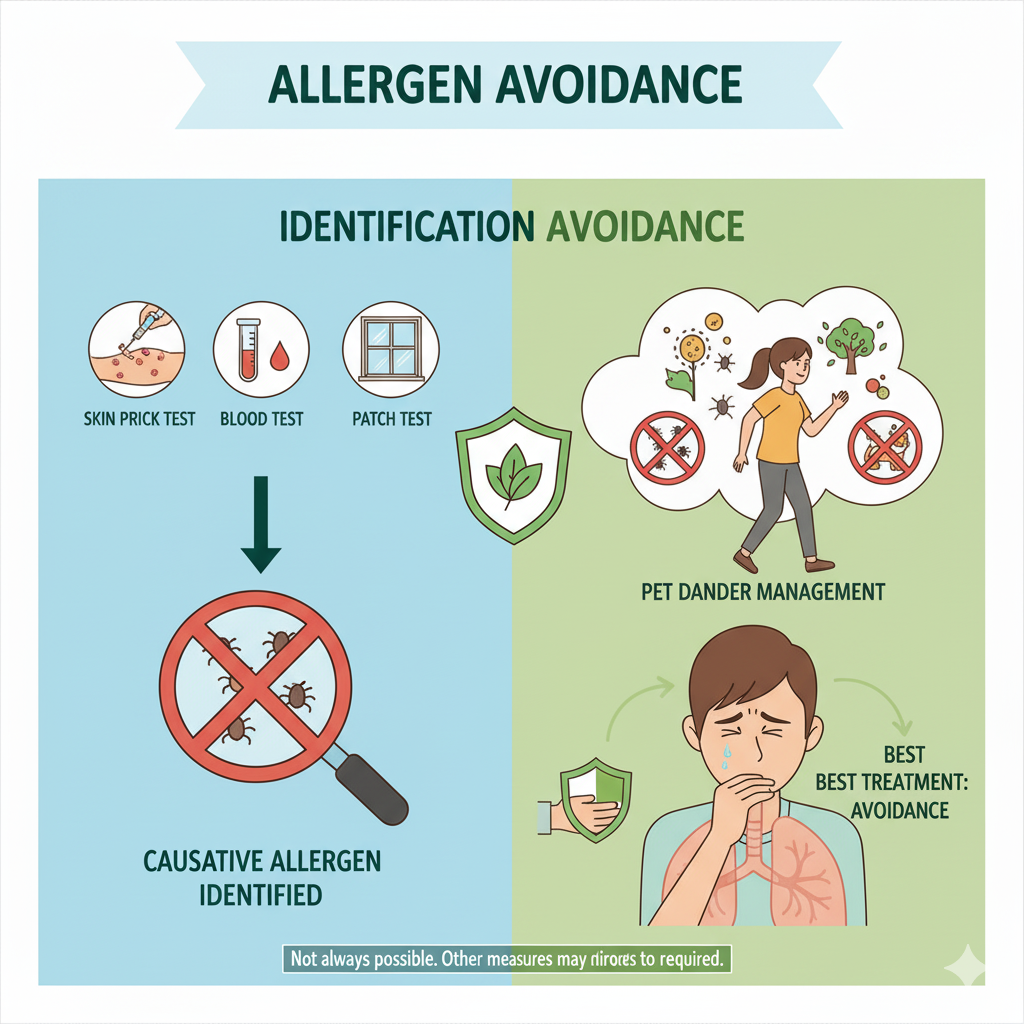
Once antigen causing or aggravating your symptom is identified with Skin Prick Test or Blood test or Patch Test best treatment is to avoid it. But this may not be possible in each and every scenario and hence other measures as explained may be required.
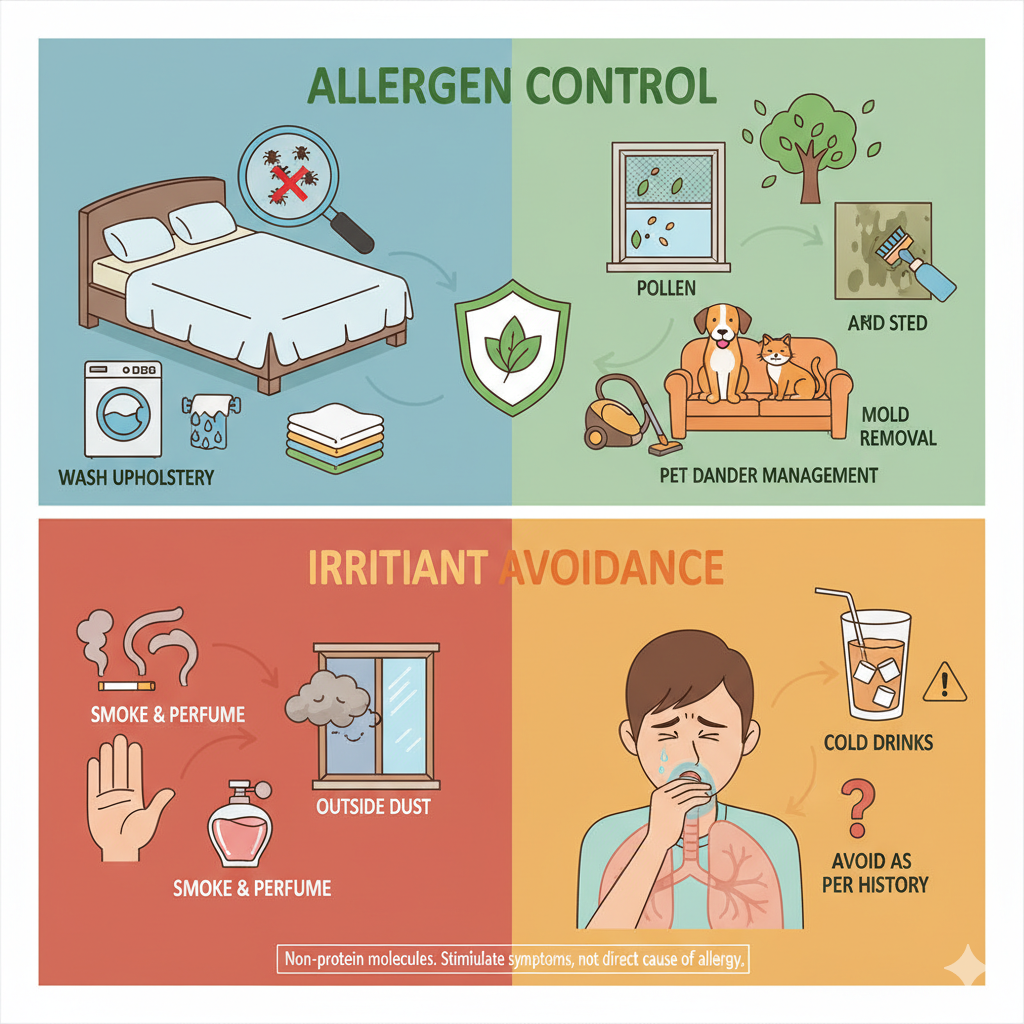
Sometimes it is difficult to completly avoid the causative allergen like House Dust Mites or Pollen or Even your loved Pet or Fungi or molds. In these cases specific measures like Dust mite proof bed and pillow covers, or washing all upholstery material etc need to be done. All these including how to clear molds etc is explained in specific segment of that particular type of antigen.
IRRITENT AVOIDANCE : Irritents like smoke, perfume, outside dust, cold drinks are non-living material and stimulates respiratory allergy like wheezing or block nose or eyes itching. They are not protein molecules like allergens and are not direct cause of allergy. They need to be avoided as per specific history.
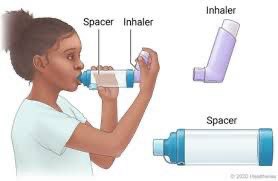
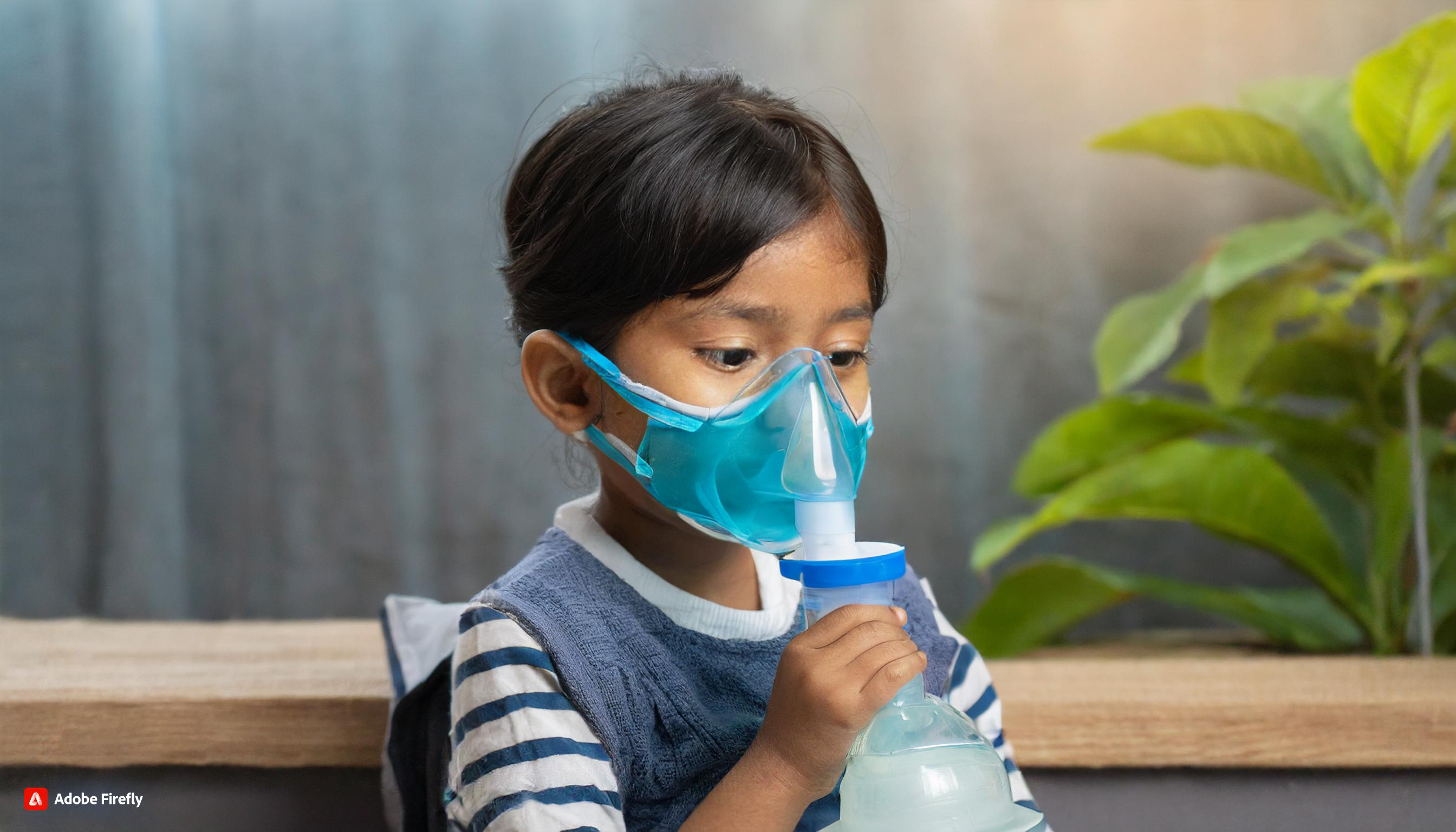
Medical management depends on type of conditions. Usually it is anti allergy tablet or syrup known as antihistamines or Intranasal spray or Inhalers which delivers medicine in very very low dose in target organ like lungs or nasal passage. For all Asthma and wheezing patient requires Inhalation therapy as advised by Doctor. They are much safer and do not have side effects as small quantity in micrograms goes to lungs where it is actually required. Instead if given as Syrup or Tablet dose is 200 times more and goes to stomach. Here it is absorbed and through blood goes to all orgens like kidney, Liver etc unnecessarily and can cause side effects. Inhalers also do not causes addiction as it’s medicine do not reaches the brain. It is required over a long period of time since conditions like wheezing demands it. And once workup is done to evaluate cause of wheezing or continuous nose block by identifying the causative allergen, other option of management like avoidance or immunotherapy can be considered instead of Inhalers or Intra nasal spray. Even if they have a steroid molecule it is of glucocorticoids group and used in minute quantity and do not usually go in blood and hence side effects are prevented. This fear & myth about steroid psychosis should be removed from the mind and one should understand why it is needed for prevention of airway remodelling or damaging the lung permanently. There are 2 types of inhalers (Reliver and preventer) and which one to use and how long to use is explained in detail during our consulting sessions. Those who still have doubts about safety of inhalers newer costly injectable molecule called Biological is also available as an option. In certain conditions like Chronic Urticaria long term safe 2nd Generation Antihistamines may be required with proper follow up and assessments. Some patients with confirmed severe life-threatening allergy due to particular food like shellfish or egg may require Adrenaline autoinjector. How and when to use it is also explained in our consulting sessions.
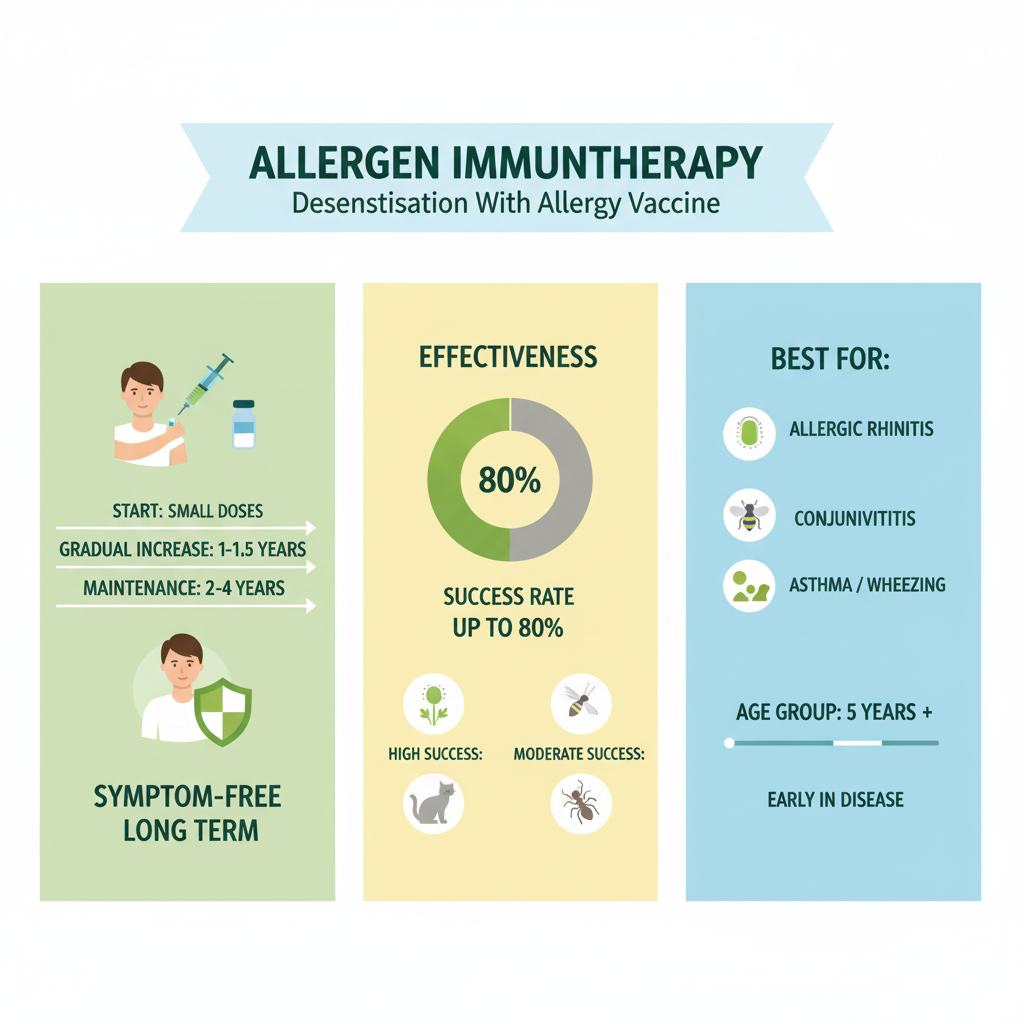
Immunotherapy involves giving gradually increasing doses of the substance, or allergen, to which the person is allergic over a long period of time. It may take up to one year to 18 months for tolerance to develop. Some patient may require higher concentration. And once tolerance develops with symptoms control the further maintenance phase remain over next 2 to 4 years. And then over a long period of time one may remain symptoms free. In few patient symptoms may not come again. Success rate of Immunotherapy could be up to 80%. It is best effective in House Dust Mites, Pollens and Venum allergy. Success rate is little less in Pet dander, Insects and molds allergy. It is usually sucusessul in Respiratory allergy like Allergic Rhinitis, conjunctivitis and Asthma or in persistent wheezing in children especially if started in early part of the disease. It can be given to any age group from 5 yrs onwards. In specific conditions only it can be given in 2-5 yrs of age. It can be given by 2 modes:
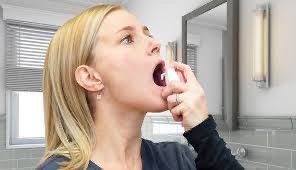
Here drops are administration Subligually or below tongue. After absorption it goes to Lymph nodes and triggers the immune system to develop tolerance to that particular antigen.
It is safe and usually do not have any major side effects. After the 1st dose as per protocol it can be taken at home. Periodic follow up require for assessment of the patient's condition.
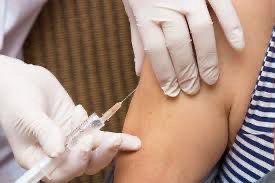
Here allergens are administered below the skin in subcutaneous tissue with syringe and needle. It caries a risk of systemic reaction in small fraction of patients and hence has to be given in a Doctor’s clinic or hospital and patient should be observed for 30 minutes. May require immediate adrenaline injection if systemic reaction develops. It may also cause delayed local reaction with swelling after few hours and will require cold packs or ice sponging. It is more effective than allergy drops but for every dose patient will have to visit medical facility. It is usually given twice a week during build up phase and then gradually period increases and in maintenance phase injections are given once monthly.
Total duration is 3 to 5 years.

May help in the flushing out of allergens in case of Allergic Rhinitis.
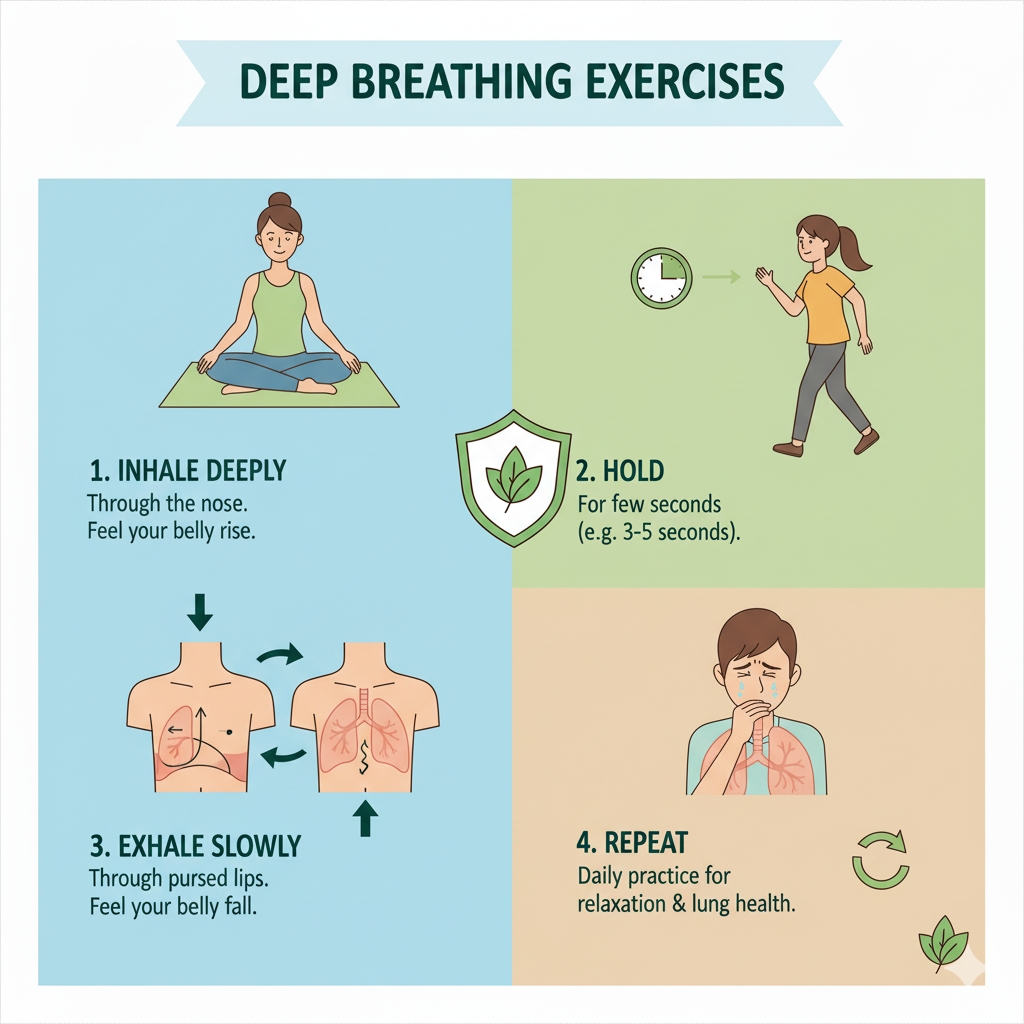
May also help by increasing one’s lung capacity